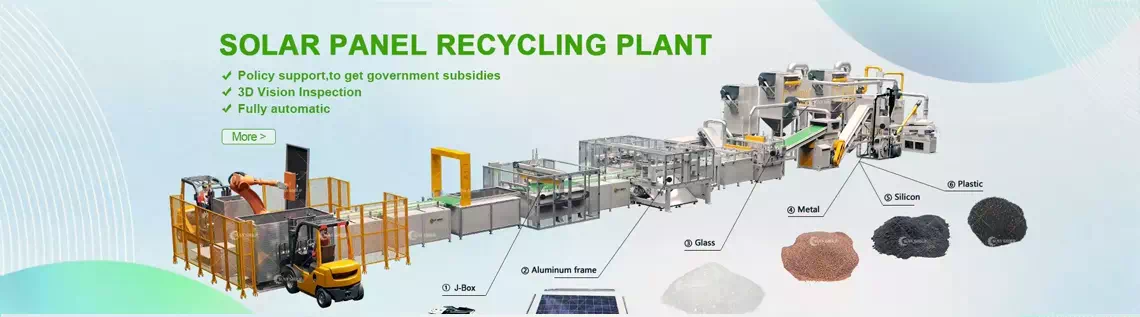
Lithium Battery Recycling Plant
- Product Introduction:
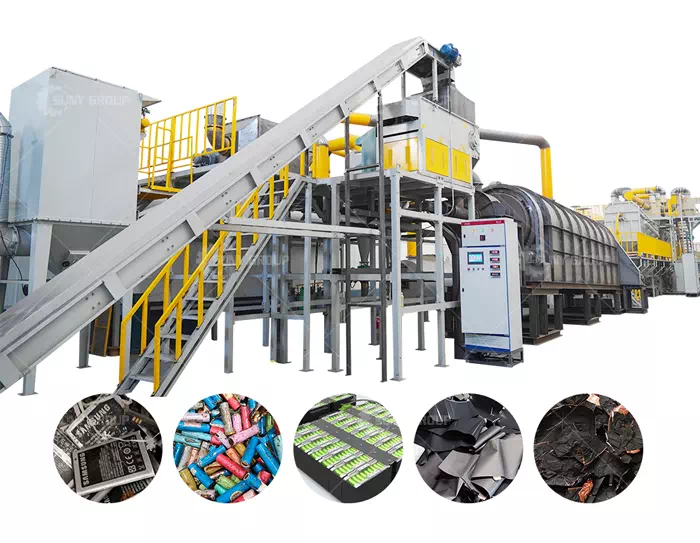
Advanced Lithium Battery Recycling Machine with nitrogen protection for zero-risk shredding. Efficiently separates high-purity black mass, copper, and aluminum for your complete recycling plant solution.

Video Description:
PRODUCT DESCRIPTION:
Responding to the global demand for critical battery metals, we introduce a new generation of Lithium Battery Recycling Machine. This system is dedicated to providing the safest and most efficient processing solution for spent lithium batteries. Our integrated Lithium Battery Recycling Machine combines advanced thermal treatment and dry mechanical separation technology, ensuring that key resources like black mass, copper, and aluminum are recovered at exceptional purity, generating sustainable economic value for your plant project.
RAW MATERIALS:
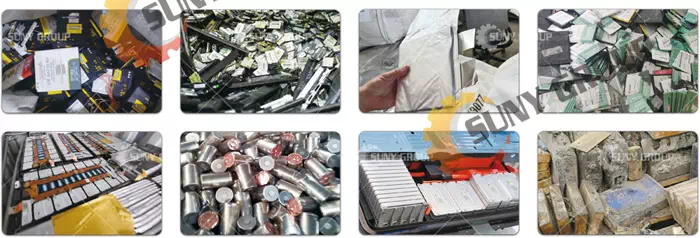
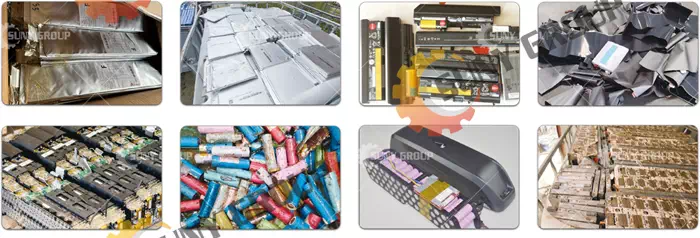
Over the years, we have been engaged in the research, development, and production of lithium-ion battery recycling plant. We have tested over a hundred types of lithium-ion battery recycling and our technology has been continuously improving. Our aim is to provide our customers with more professional and reliable recycling machine.
At present The lithium battery recycling machine is used for dismantling andrecycling the Soft pack-age battery, cellphone battery, Shell battery,Cylindrical battery etc. Different types of lithium bat-teries have different recycling procedures. Please contact us for detailed configuration.
TECHNOLOGY INTRODUCTION:
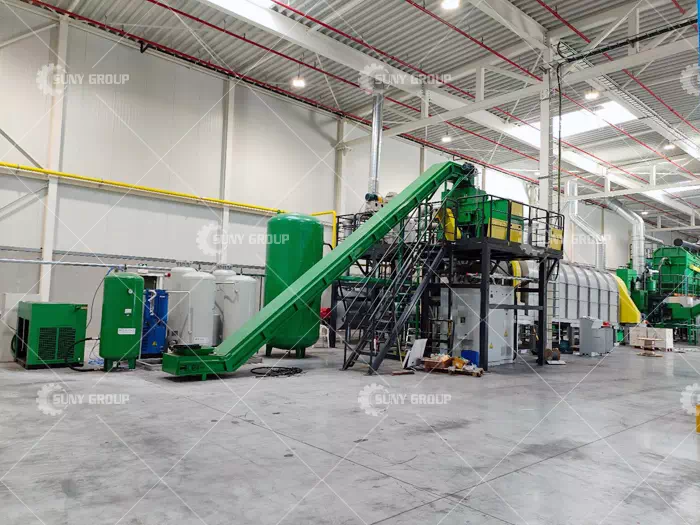
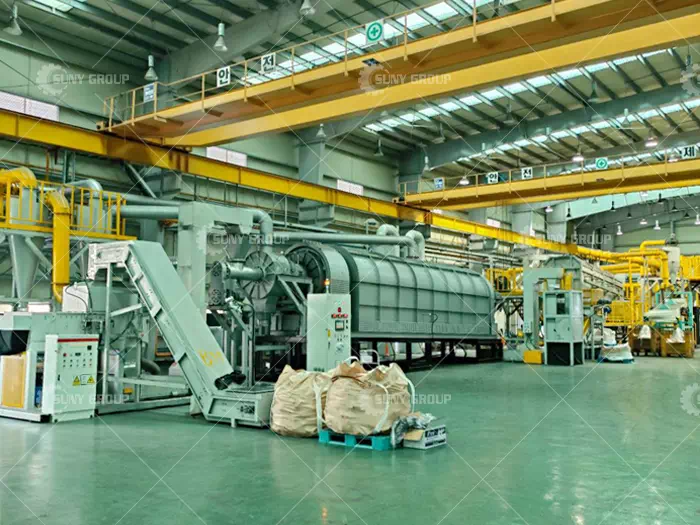
This Lithium Battery Recycling Machine is composed of a series of customized, high-performance modules that ensure the continuous operation and high recovery rate of the production line.
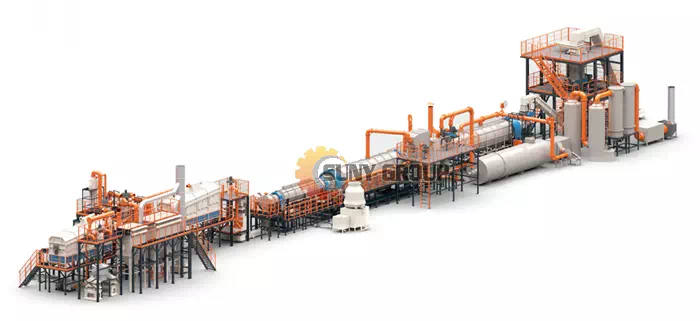
Feeding & Safe Shredding: The process begins with the Feeding Belt, which delivers the discharged batteries to the Single Shaft Shredder. Under the safeguard of the Nitrogen Protection System, the batteries are safely shredded into 2-3 cm fragments. This inert atmosphere effectively prevents fire and explosion during mechanical impact, achieving the preliminary liberation of shells, anode/cathode sheets, and separators.
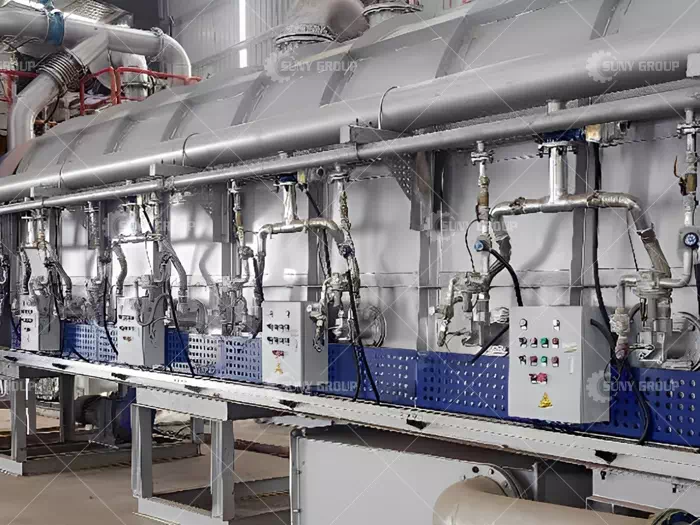
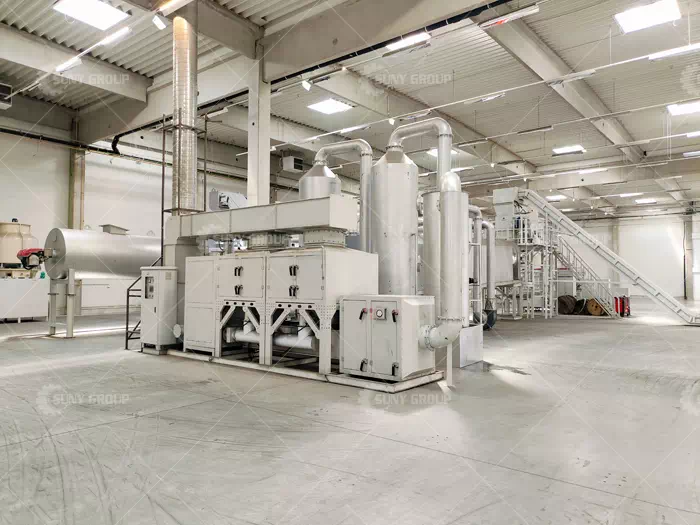
Pyrolysis & Tail Gas Treatment: The shredded materials are then transferred to the Pyrolysis Furnace. This furnace indirectly heats the material to evaporate the electrolyte, roast the battery scraps, and thermally remove/carbonize the separation films (PP/PET). The volatilized electrolyte gases are directed to the Secondary Burning Chamber for high-temperature incineration into harmless gases. The resulting flue gas is then thoroughly purified by the Tail Gas Treatment System (incorporating a Scrubber, Activated Carbon, and Catalytic Combustion) to ensure compliance with environmental standards.
Zigzag Air Classification & Magnetic Separation: After thermal treatment, the dry materials enter the Zigzag Airflow Separator. Utilizing the differences in density and aerodynamics, the separator draws light materials (such as plastic, film, and aluminum scraps) upward, while heavy materials (anode/cathode sheets and iron shells) fall to the bottom. Subsequently, a Magnetic Separator uses magnetic force to extract and recover the steel/iron shells from the heavy mixture, achieving ferrous metal recovery.
Coarse Screening & Multi-stage Crushing: The remaining heavy materials are fed into the first Rotary Drum Screen to screen out the liberated black mass (valuable electrode powder). The oversize materials (unstripped scraps) are conveyed to a Crusher with a Noise-Proof Room, which fine-crushes the anode and cathode metal fragments to knock down the tightly bonded black mass in a sound-attenuated environment.
Secondary Screening & Fine Grinding: The output from the crusher is screened again via another Rotary Drum Screen or Liner Vibration Screen to separate the newly dislodged black mass. The copper and aluminum metallic concentrates are then sent to the Grinder, which finely grinds and shears the granules to completely detach and release any remaining black mass from the metal foils.
Cyclone Dust Collection, Fine Screening & Airflow Separation: The airborne, ultra-fine black mass generated during grinding is recovered with high purity by the Cyclone Separator. Meanwhile, the processed stream undergoes final screening via a Liner Vibration Screen to remove the last traces of black mass. In the final stage, the copper and aluminum mixture is processed by the Airflow Separator, which utilizes density differences to achieve high-efficiency, high-purity separation of copper and aluminum granules.
FINAL PRODUCTS:
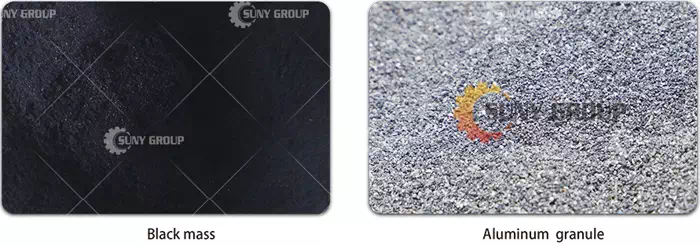
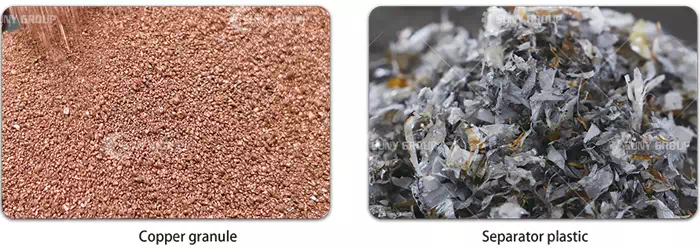
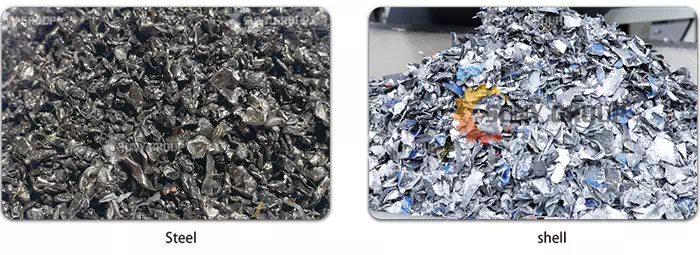
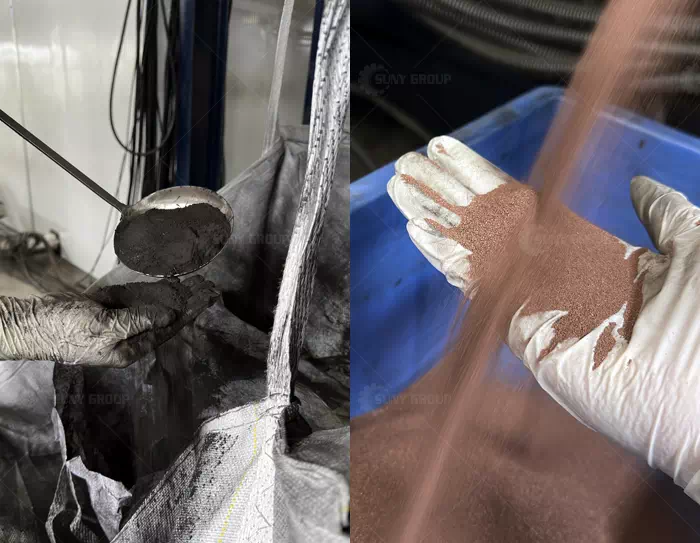
The final products are black mass, aluminum granule, copper granule, plastic, steel shell and separator plastic etc. The output will vary depending on the type of battery.
CORE ADVANTAGES:
1.Unmatched Cell Compatibility
Our lithium battery recycling plant is engineered to handle a wide spectrum of spent batteries, regardless of their complexity, shape, or chemistry:
Cell Form Factors: Fully compatible with Cylindrical cells (e.g., 18650, 21700, 32650), Pouch cells, and Prismatic hard-shell cells.
Battery Chemistries: Covers Lithium Iron Phosphate (LFP), Nickel Manganese Cobalt (NMC/NCA), and Lithium Cobalt Oxide (LCO).
Application Scenarios: Supports large-scale processing ranging from small consumer electronics (phones, laptops) to massive Electric Vehicle (EV) battery packs and Energy Storage Systems (ESS).
2.High-Purity Black Mass Recovery
The core value of lithium battery recycling lies in the "Black Mass." Our process utilizes multi-stage precision sorting to ensure maximum economic returns:
Black Mass Purity: Leveraging advanced sorting technology, the recovery purity of black mass exceeds 98%.
Multi-Component Separation: The system efficiently isolates high-purity copper foil, aluminum foil, plastic separators, and casing metals (Aluminum/Iron).
Output Value: The recovered black mass is rich in rare metals like lithium, cobalt, and nickel, which can be directly fed into hydrometallurgical processes for a true closed-loop resource cycle.
3.Industrial Safety & Fire Protection
Addressing the flammable and explosive nature of lithium batteries, we have integrated an industry-leading safety control system:
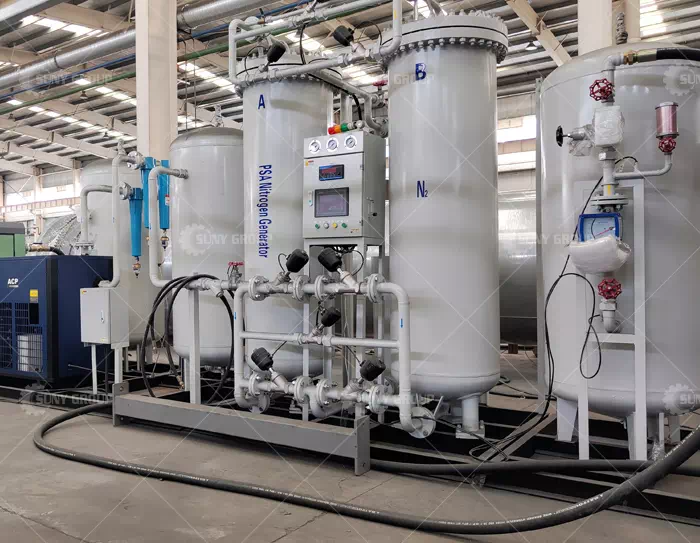
Nitrogen Protection System: An inert gas (Nitrogen) is injected during the fully enclosed crushing process to keep oxygen levels below the safety threshold, fundamentally eliminating fire and explosion risks.
Sealed Environment: The entire crushing and sorting sequence operates under negative pressure in a sealed environment, effectively preventing the leakage of electrolyte volatile gases.
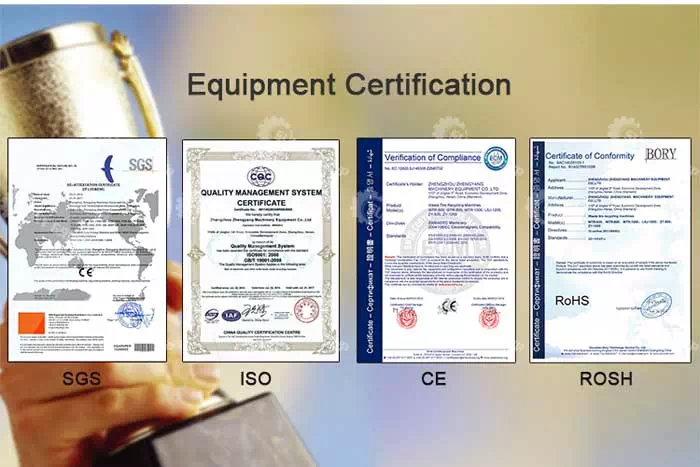
Eco-friendly Treatment: Equipped with pulse dust collectors and acid gas scrubbing towers, the system ensures that exhaust emissions strictly comply with international environmental standards (ISO/CE certified).
TECHNICAL STANDARDS:
Feature Item Indicator Requirments Recovery Rate of Metallic Aluminum 98% Powder Recovery Rate 98% Content of Powder In Metal Aluminum 2% Content of Metallic Aluminum In Powder 2% Other Contain dust collecter with not pollute Qualified Rate 99% Failure Rate 1% CMR ≥1.67 TECHNICAL PARAMETER:
Model Power(KW) Dimension(MM) Capacity(Kg/H) LIBR-1000A 361 51000*10000*7500 800-1000 LIBR-1000B 740 56000*16000*8000 800-1000 Note:
1.Working voltage:380±10V(415V ,440V also can be custom);
2.The parameters and configurations above are for reference only. We can provide customized solutions and related lithium battery recycling machines based on different requirements. Please feel free to contact us anytime to discuss your specific needs.
FAQ:
Q: What types of lithium batteries can this equipment recycle?
A: Our system is highly versatile and compatible with all mainstream lithium-ion batteries, including cylindrical cells (18650, 21700), pouch cells, prismatic cells, and large power battery packs dismantled from Electric Vehicles (EVs).
Q: What is the purity of the recovered "Black Mass"?
A: Utilizing advanced physical and air-sorting technologies, our system achieves a black mass (rich in lithium, cobalt, and nickel) recovery purity of over 98%.
Q: How does the system ensure safety during the crushing process?
A: Safety is our priority. We employ a high-standard industrial safety system featuring Nitrogen Protection (inert atmosphere) and a fully sealed crushing chamber, which completely prevents fire or explosion risks even when processing batteries with residual charge.
Q: Does the recycling process cause secondary pollution?
A: No. The system integrates professional pulse dust collection and VOC (Volatile Organic Compounds) purification units. All emission indicators meet stringent ISO and CE environmental standards for green recycling.
Q: What is the processing capacity of this recycling line?
A: Our standard modular configuration offers a throughput of 800-1000 kg/h. We also provide bespoke, customized solutions to scale the capacity based on your specific industrial requirements.
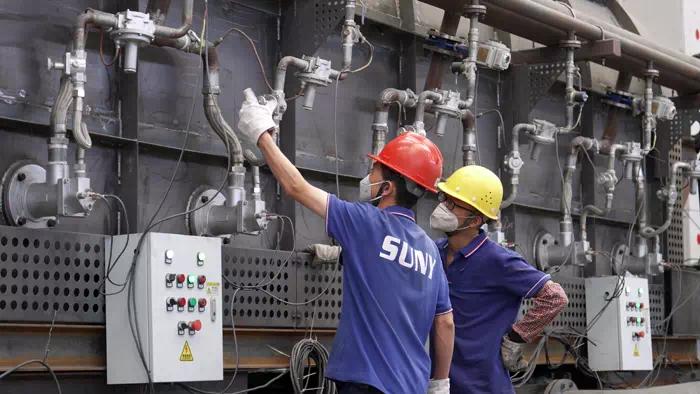
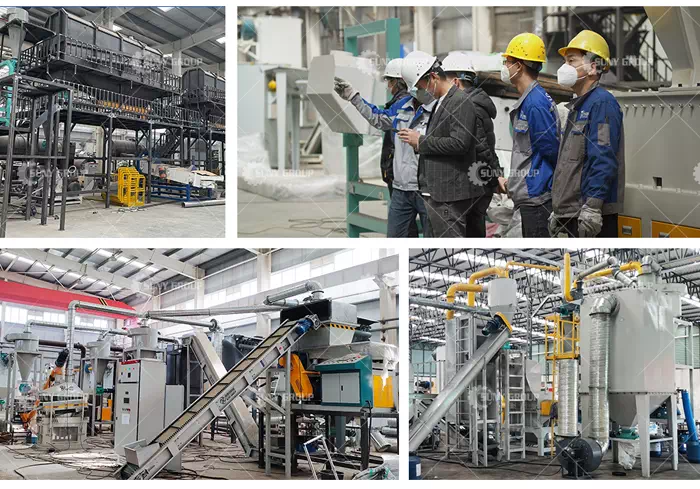
CUSTOMER WORKSITE:
Provide Lifelong Technical Support
1. Provide field installation service to make sure the normal operation of the equipment.
2 Provide detailed technical training for customers. Including the equipment operation process, primary and common troubleshooting methods, etc.
3. Provide lifelong technical support for the machine.
RELATED ARTICLES:
- {dede:field.xntd/}
- {dede:field.gylc/}
- {dede:field.jgzc/}
- {dede:field.gzyl/}
CONTACT US:
If you have any requirement or suggestion, please fill in the form and send to us, thanks!E-mail:sunymachine@gmail.com | Whatsapp:+8613674945231