Lithium Battery Carbonization Recycling Line
Against the backdrop of a continuous increase in the volume of end-of-life power batteries, a stable, efficient lithium-ion battery carbonisation recovery production line equipped with environmentally sound processing capabilities can help us maximise material recovery, ensure a safe and controllable processing procedure, and significantly reduce environmental treatment costs. This is also one of the most practical solutions currently available in the battery recycling sector.
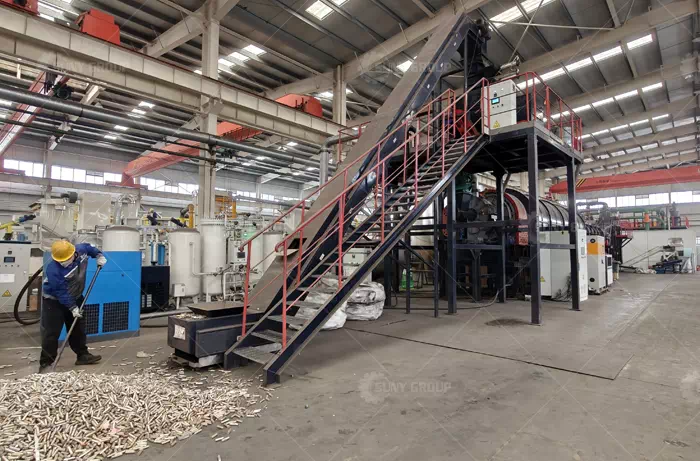
Lithium Battery Carbonization Recycling Line
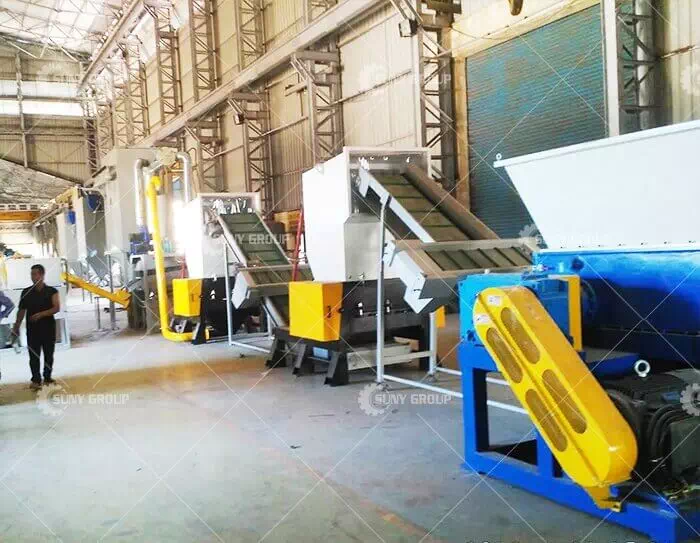
Overall Line Configuration and Core Equipment
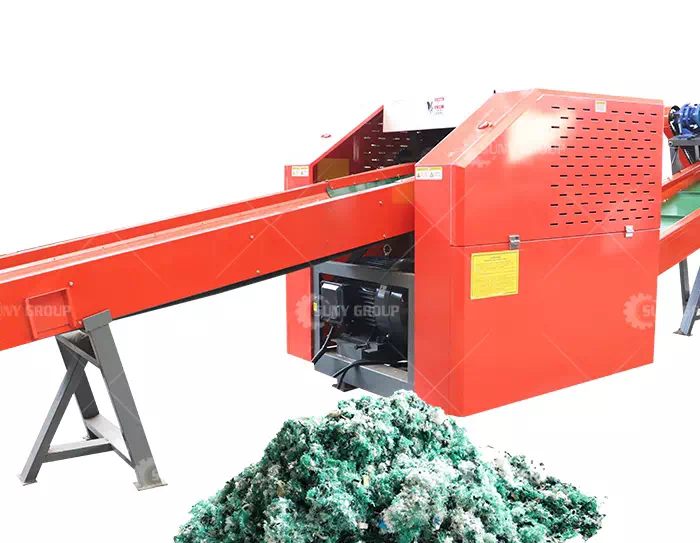
The lithium-ion battery carbonisation recycling production line is structured around the core logic of ‘pre-treatment + thermal treatment + sorting and recovery’, with the entire line characterised by continuous and automated operation. At the front end, a conveyor system feeds various battery types (such as 18650 and 14500 cylindrical batteries, as well as prismatic and pouch batteries) into a crushing unit, where preliminary disassembly and particle size control are carried out. The material then enters the carbonisation furnace system, where pyrolysis takes place in an oxygen-free or low-oxygen environment. This causes the electrolyte to evaporate and organic matter to decompose, whilst simultaneously reducing material reactivity and enhancing safety during subsequent sorting.
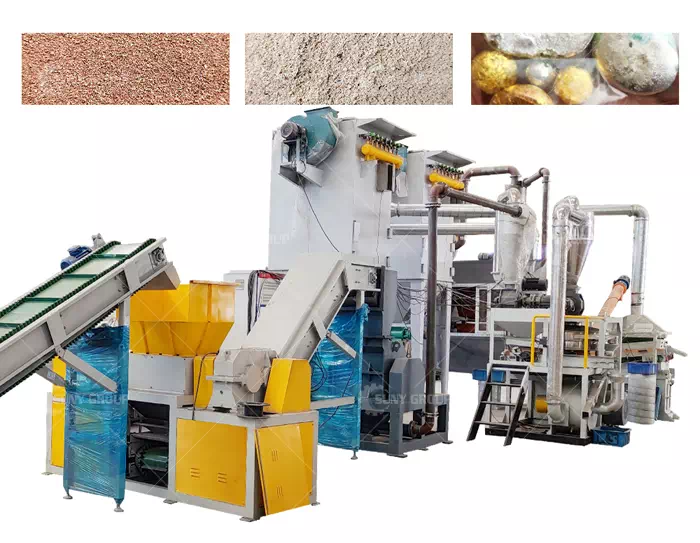
The carbonised material then enters the cooling and gas treatment system, where processes such as condensation and purification ensure that exhaust gases meet emission standards. Finally, the material proceeds to the physical separation module, where processes including air classification, screening, and magnetic separation are employed to effectively separate copper, aluminium, and black powder (containing lithium, cobalt, nickel, etc.), thereby achieving a closed-loop resource recovery process.
Process Characteristics and Operational Advantages
Compared to traditional wet methods or single-stage crushing and sorting processes, the core advantages of the carbonisation recovery line lie in the safety and adaptability of the treatment process. Firstly, high-temperature carbonisation effectively removes electrolyte and organic binders, significantly reducing the risk of thermal runaway and making it suitable for processing batteries with complex structures. Secondly, the entire line features a modular design, allowing for flexible configuration adjustments to meet production capacity requirements; a processing capacity of 1,000 kg/h can satisfy the continuous production needs of medium to large-scale recycling enterprises.
In terms of environmental control, the system is equipped with a comprehensive exhaust gas treatment unit that condenses, recovers, and purifies volatile gases, thereby reducing secondary pollution. At the same time, the physical sorting stage avoids the use of large quantities of chemical reagents, reducing the burden on wastewater treatment and ensuring that overall operations are more compliant with current environmental regulations.
Application Value and Industry Suitability
With the expansion of the new energy industry, the end-of-life cycle for power batteries is gradually approaching, and market demand for high-efficiency recycling equipment continues to rise. The carbonisation recycling production line is suitable not only for specialist battery recycling enterprises but also for resource recovery companies and environmental treatment organisations. Through the efficient recovery of metallic materials, enterprises can achieve dual benefits in terms of economic returns and environmental value.
Overall, the lithium-ion battery carbonisation recycling production line offers significant advantages in terms of safety, adaptability, and environmental performance. For enterprises seeking to enter or upgrade their battery recycling operations, it represents a practical and viable equipment solution.
Recommend products
CONTACT US:
If you have any requirement or suggestion, please fill in the form and send to us, thanks!E-mail:[email protected] | Whatsapp:+8613674945231