Alu-Plastic Tubes Recycling Line
The key to recycling aluminium-plastic composite materials lies in ‘effective separation and precise sorting’. A mature aluminium-plastic separation production line achieves the efficient separation and reuse of aluminium and plastic through three stages: crushing, grinding, and electrostatic separation. This not only resolves processing challenges but also directly generates recyclable value.
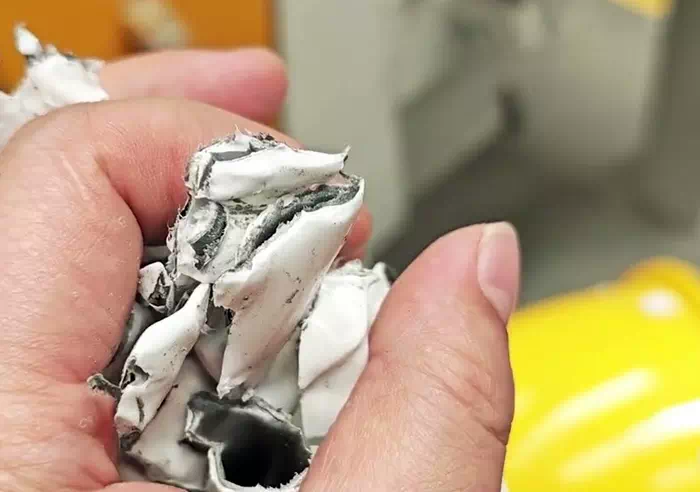
Equipment Structure and Core Components
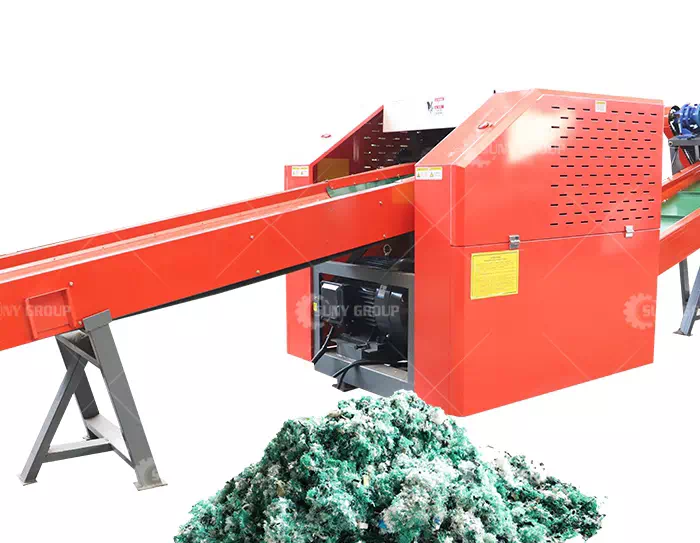
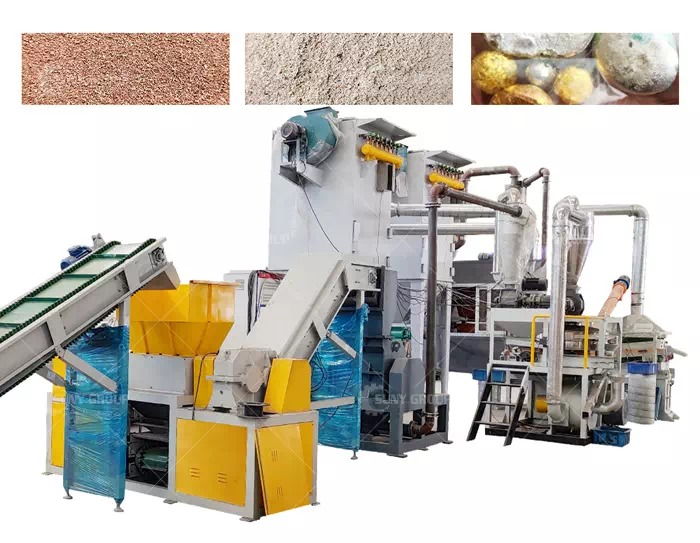
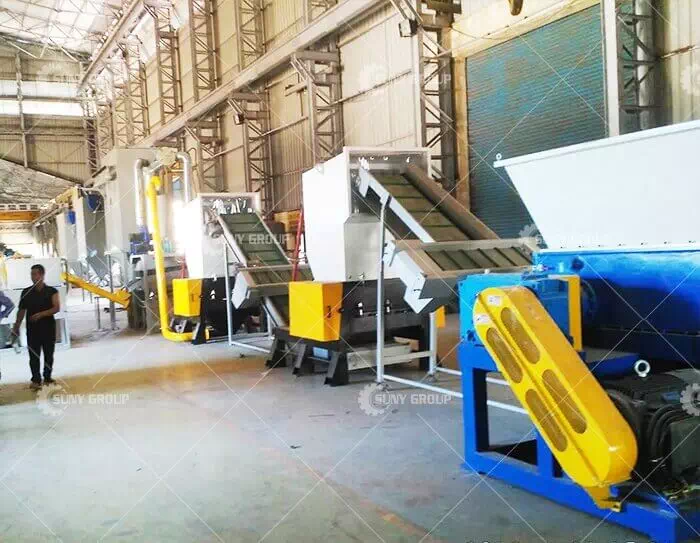
This aluminium-plastic recycling production line adopts a modular design with a compact overall structure, comprising three main core pieces of equipment: a crusher, a grinding machine, and an electrostatic separator.
The crusher is responsible for the initial crushing of composite materials such as aluminium-plastic pipes and films, ensuring uniform particle size for subsequent processing; the grinding system further breaks down the aluminium and plastic layers to achieve ‘physical separation’; Finally, the electrostatic separator utilises the difference in electrical conductivity between aluminium and plastic to achieve precise separation.
The entire line does not rely on complex manual sorting; it features a high degree of automation and is suitable for continuous operation, ensuring processing efficiency whilst reducing labour costs.
Process Flow and Separation Principles
The production line's processing logic is straightforward, but the key lies in the fact that every step serves the purpose of ‘complete separation’.
The material first enters the crushing stage, where it is cut into smaller particles; it then proceeds to the grinding system, where high-speed friction and impact cause the aluminium and plastic layers to separate; once the material has reached the ideal state of separation, it enters the electrostatic separation stage.
Electrostatic separation is the core of the entire line; it separates conductive aluminium from non-conductive plastic based on differences in electrical charge, thereby yielding two end products of high purity. Compared to traditional sorting methods, this approach is more stable, equally effective on fine particles, and suitable for processing complex composite materials.
Scope of Application and Output Value
This equipment is not only suitable for common aluminium-plastic flexible tubes but can also process a wide range of composite waste materials, including pharmaceutical blister packs and aluminium-plastic composite films.
The separated aluminium can be directly bricked for remelting and recycling, whilst the plastic fraction can be further pelletised for use in the production of recycled plastic products. In other words, this line is not merely a ‘processing facility’ but a ‘value-conversion facility’, capable of transforming previously difficult-to-process waste into tradable resources.
Recommend products
CONTACT US:
If you have any requirement or suggestion, please fill in the form and send to us, thanks!E-mail:sunymachine@gmail.com | Whatsapp:+8613674945231