E-Waste Precious Metal Separation and Refining Equipment
Equipment for the separation and refining of precious metals from electronic waste is, in essence, a system designed to efficiently extract metals such as gold, silver, and palladium from waste circuit boards and facilitate their resource recovery. Its purpose is to convert low-value waste into high-purity metal products through standardised processes, thereby enhancing recycling efficiency and economic returns.
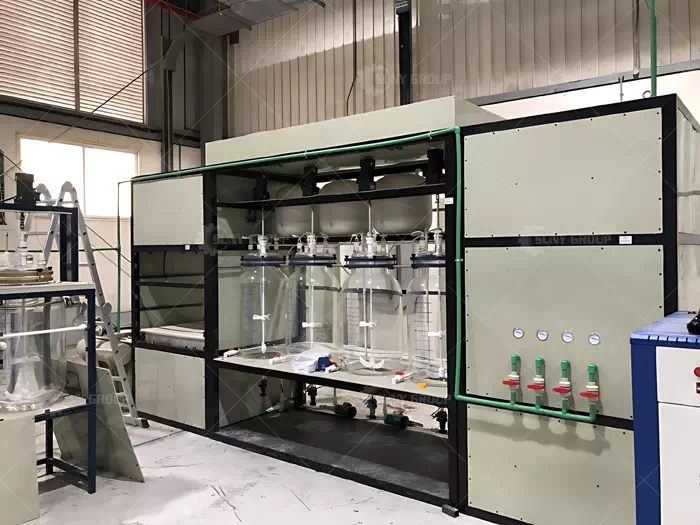
E-Waste Precious Metal Separation and Refining Equipment
I. Composition of the Complete Production Line: A Closed-Loop System from Disassembly to Refining
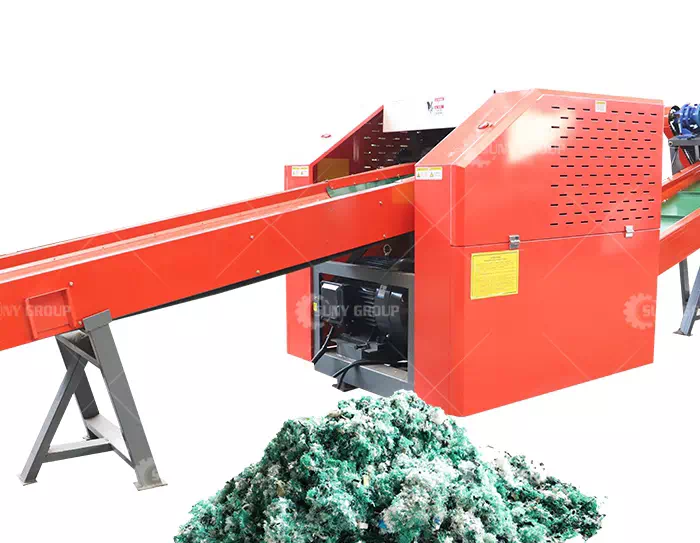
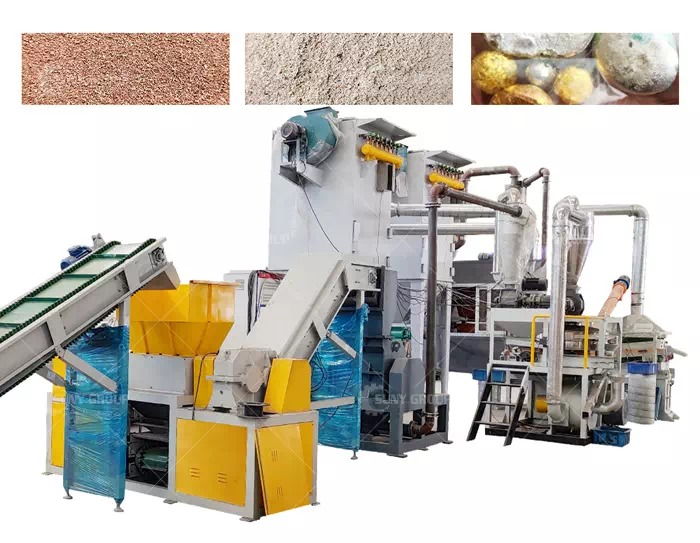
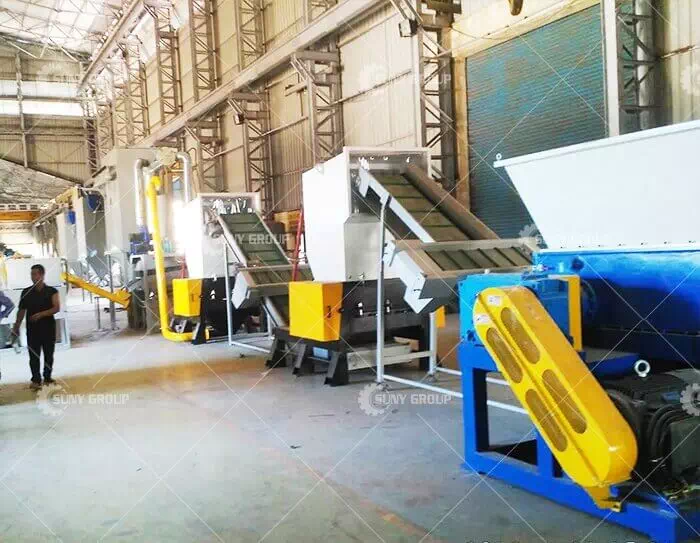
For the recycling and processing of PCBs (used printed circuit boards), such equipment typically employs a modular design to form a complete closed-loop production system. The front end is equipped with disassembly equipment to remove electronic components and impurities; this is followed by a crushing system, which reduces the circuit boards to a particle size suitable for sorting; subsequently, air classification and electrostatic separation equipment are used to effectively separate metals from non-metals.
Building on this, the core precious metal extraction unit (such as the gold extraction system) is responsible for further refining processing of the metal fraction, extracting high-purity precious metals through hydrometallurgical or chemical processes. The operational logic of the entire line is clear, with stable integration between modules, making it suitable for continuous production requirements.
II. Advantages of Key Equipment: Balancing Stability and Recovery Efficiency
In practical applications, the stability of the equipment directly determines recovery efficiency and operational costs. Mature PCB precious metal recovery equipment typically possesses the following characteristics:
Firstly, it operates stably, capable of prolonged continuous operation, thereby reducing the frequency of downtime for maintenance; secondly, it offers high sorting precision, ensuring thorough separation of metals from non-metals and improving precious metal recovery rates at source; thirdly, the refining system is highly efficient, capable of enhancing the purity of metals such as gold and silver whilst controlling costs.
Taking a real-world project as an example, a client in New Zealand introduced a complete set of PCB recycling and precious metal refining equipment, achieving full-process automation from raw material processing to metal recovery. Not only did processing capacity increase significantly, but the high purity of the recovered metals also yielded stable economic returns.
III. Application Value and Development Trends: Environmental Protection and Profitability Go Hand in Hand
As the pace of electronic product renewal accelerates, the volume of waste circuit boards continues to grow, whilst the value of the precious metal resources they contain is becoming increasingly apparent. Compared to traditional mining, recovering metals from electronic waste offers higher resource utilisation and lower environmental costs.
At the same time, environmental policies in various countries are gradually tightening, imposing higher standards on the treatment of electronic waste, which is driving the upgrading of recycling equipment towards greater efficiency and environmental sustainability. Current equipment not only emphasises recycling efficiency but also focuses on the treatment and control of exhaust gases and wastewater to meet regulatory compliance requirements.
For businesses looking to enter or expand their e-waste recycling operations, selecting a set of technically mature and reliably operating equipment is key to reducing risks and increasing returns. If you are interested or require further information, please feel free to contact us at any time!
Recommend products
CONTACT US:
If you have any requirement or suggestion, please fill in the form and send to us, thanks!E-mail:sunymachine@gmail.com | Whatsapp:+8613674945231