EOL Solar Panel Recycling Line for High Purity Silicon Recovery
A mature end-of-life (EOL) solar panel recycling production line is becoming a vital piece of infrastructure in the photovoltaic recycling industry. Its core value lies not merely in the disposal of waste, but in the efficient recovery of high-purity silicon wafers, silver wires, glass, and aluminium, thereby increasing the overall recycling yield and reducing downstream sorting costs.
The high-temperature pyrolysis system is a key component of the entire recycling line.
Traditional solar panels consist of glass, EVA film, backsheet, aluminium frame, silicon cells, and silver paste circuits. Among these, the EVA film has high adhesive strength, making it a challenge to dismantle. The recycling production line developed by SUNY GROUP employs a high-temperature pyrolysis process. Through a sealed thermal decomposition system, it breaks down the EVA and backsheet materials in a flameless environment, allowing the glass, cells, and metal materials to separate naturally.
Compared to conventional mechanical crushing methods, the advantages of high-temperature pyrolysis are clear. Direct mechanical crushing can easily cause silicon wafers to fracture and become mixed, resulting in a high loss rate of silver paste; in contrast, materials remain largely intact after pyrolysis, significantly improving the efficiency of subsequent sorting. Particularly for crystalline silicon modules, the silicon cell fragments obtained after thermal treatment are of higher purity, making the downstream chemical silver extraction process much easier to carry out.
Currently, some high-standard recycling lines within the industry require silicon cell recovery purity to be close to 100%, as high-purity silicon material itself possesses significant reuse value and can be utilised in metallurgical silicon purification, photovoltaic auxiliary materials, or electronic materials.
Mechanical sorting equipment determines the final recycling quality.
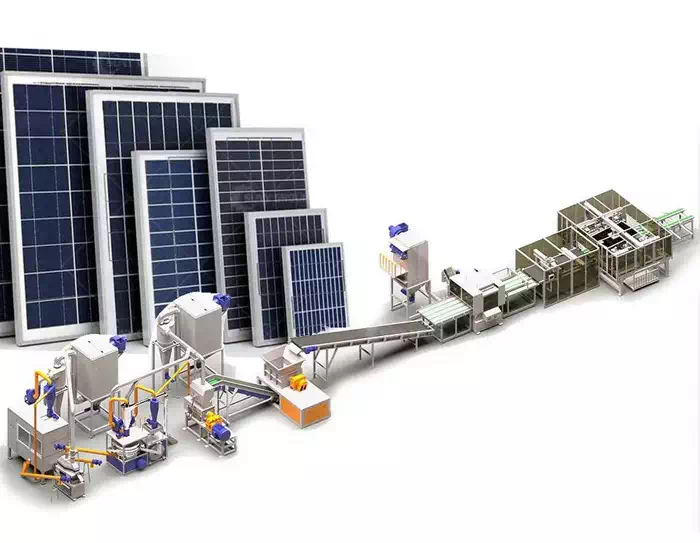
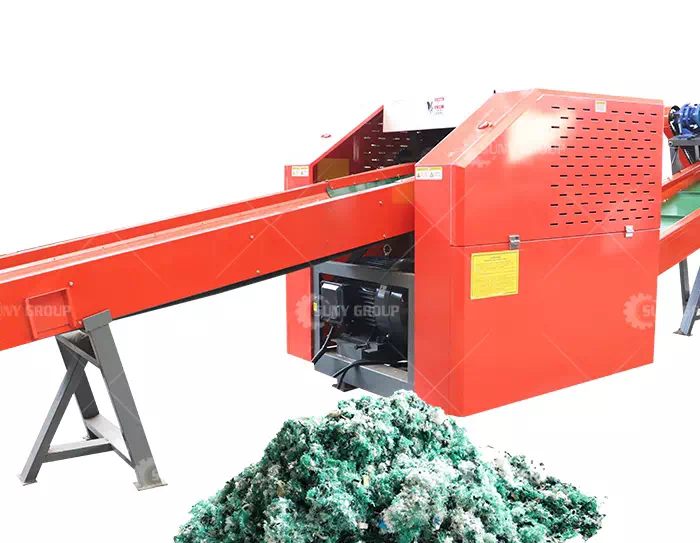
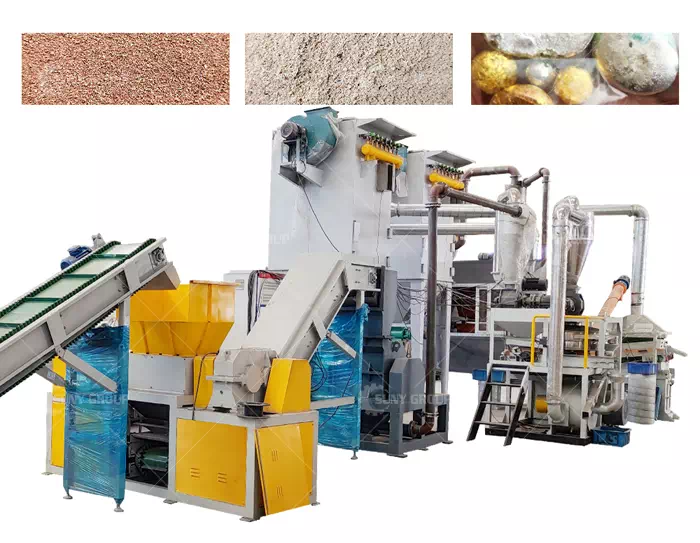
Following pyrolysis, the production line proceeds to the mechanical sorting stage. This stage typically comprises a conveyor system, a crushing system, vibrating screens, air classifiers, magnetic separators, and fine separation units.
The operational logic of the equipment is not complex, but the process integration demands are high. The glass must be separated as completely as possible to prevent contamination with silicon powder; aluminium frames and junction boxes must be removed in advance to reduce the load on downstream equipment, whilst silicon wafers and silver wires require precise screening based on differences in material density.
What truly impacts profitability is not merely the ability to ‘recycle’, but rather ‘whether high-purity materials can be obtained’. This is because low-purity mixed materials can only be sold at scrap prices, whereas high-purity silicon wafers and silver wires can enter further processing channels, with a very significant difference in value between the two.
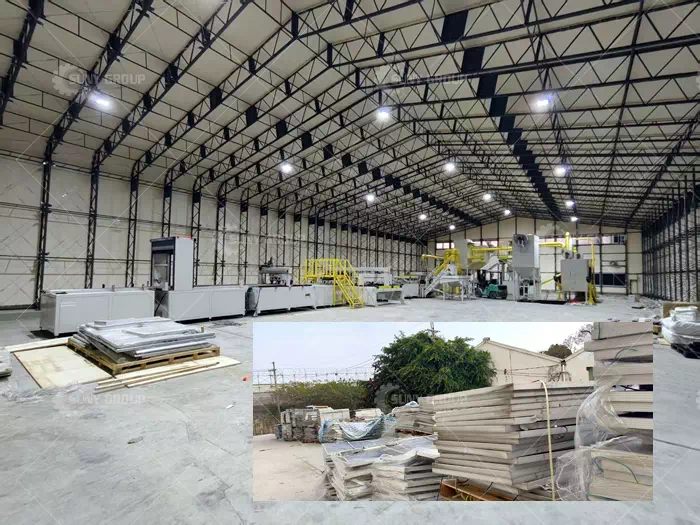
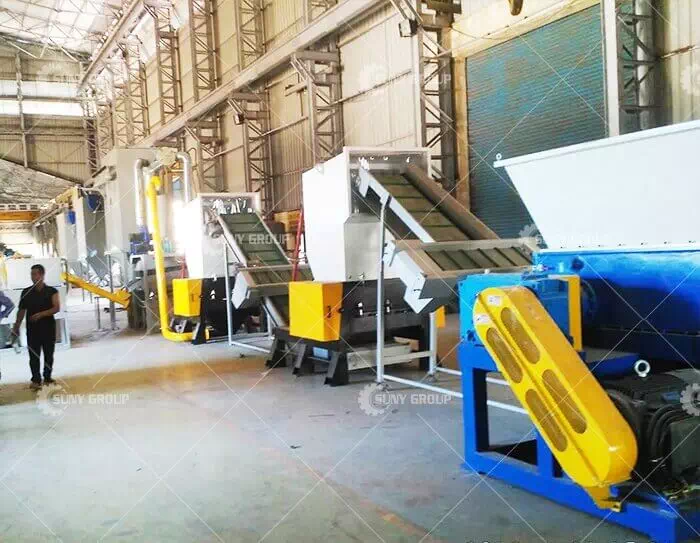
Japanese Solar Panel Recycling Equipment on Site
The photovoltaic recycling industry is entering a phase of equipment upgrading.
In the coming years, a large number of early-installed photovoltaic modules will gradually reach the end of their service life. According to publicly available industry data, the number of decommissioned photovoltaic modules worldwide will grow rapidly around 2030, and the recycling market is shifting from ‘small-scale dismantling’ to ‘industrial-scale processing’.
For recycling companies, a truly competitive production line is not merely one with high throughput; more importantly, it must yield materials of high recovery value, operate stably, and ensure clean downstream sorting. This is also the most significant difference between current high-end photovoltaic recycling equipment and standard dismantling equipment.
Recommend products
CONTACT US:
If you have any requirement or suggestion, please fill in the form and send to us, thanks!E-mail:[email protected] | Whatsapp:+8613674945231