Aluminium Composite Panel Recycling Machinery
Aluminium composite panels (ACP) find extensive application in curtain walls, signage, interior decoration, and industrial sectors. However, as this material comprises composite aluminium and plastic layers, substantial quantities of waste ACP accumulate following widespread utilisation. Consequently, recycling ACP through specialised equipment to separate aluminium and plastic components has become a vital method for resource recovery.
The aluminium-plastic composite panel recycling machinery developed by SUNY GROUP constitutes a comprehensive recycling equipment system specifically engineered for this purpose.
This recycling production line employs multi-stage separation technology. Through processes including mechanical crushing, grinding, and pulverisation, electrostatic separation, and gravity separation, it efficiently separates the aluminium and plastic components from the composite panels. This yields high-purity aluminium powder and plastic powder. The entire process features a high degree of automation, enabling continuous and stable operation, making it an ideal solution for processing waste aluminium-plastic composite panels.
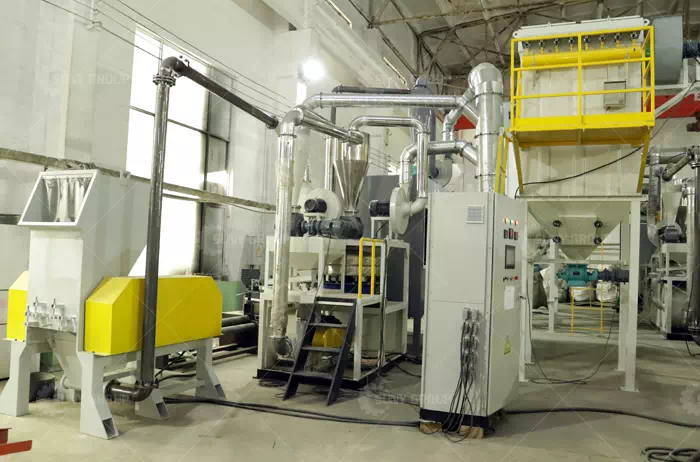
Aluminium Composite Panel Recycling Machinery
Core Structure of Aluminium-Plastic Composite Panel Recycling Equipment
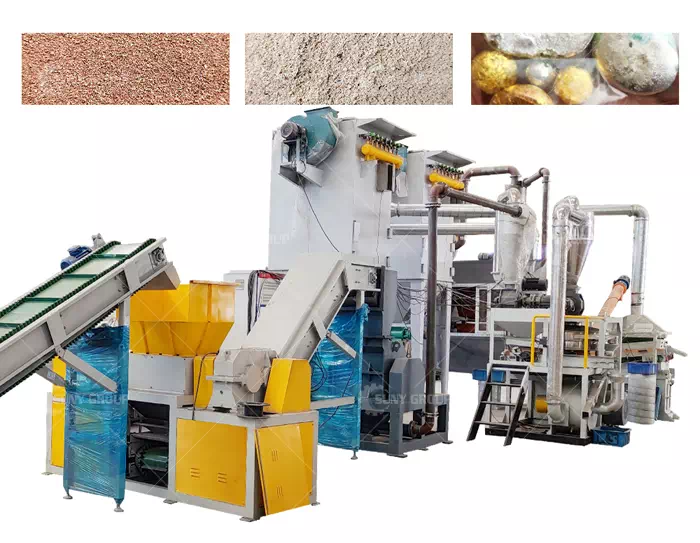
A complete aluminium-plastic composite panel recycling production line typically comprises multiple units, including crushers, pulverisers, conveyor systems, electrostatic separators, gravity separation screens, and dust extraction systems. These components are configured according to the process flow, enabling progressive separation of materials at different stages.
The process commences with crushing equipment. Upon entering the production line, waste aluminium-plastic composite panels are conveyed to crushers for preliminary fragmentation. The crusher employs high-speed rotating blades to cut large-sized aluminium-plastic composite panels into smaller fragments. This not only facilitates subsequent processing but also enhances the overall processing efficiency of the production line.
The material then proceeds to the grinding stage. The preliminarily crushed material is fed into the grinding mill for fine pulverisation. The grinding mill reduces the composite fragments into minute particles, completely disrupting the bonding structure between the aluminium and plastic layers, thereby preparing the material for subsequent separation.
Upon completion of grinding, the material enters the sorting system. Through multi-stage sorting equipment, aluminium powder and plastic powder are progressively separated, enhancing product purity. The entire equipment features a well-designed structure with seamless integration between stages, ensuring greater production stability.
The multi-stage separation process achieves efficient recycling.
The core of the aluminium-plastic composite panel recycling production line lies in separation technology. Leveraging the differences in density, electrical conductivity, and physical properties between aluminium and plastic enables effective sorting.
After grinding, the material enters the sorting stage, initially processed by electrostatic separation equipment. Electrostatic separators utilise the differing charge characteristics of materials in an electric field to achieve preliminary separation of aluminium particles from plastic particles. Aluminium's high conductivity causes it to follow distinct trajectories under the electric field, thereby separating from the plastic material.
Following electrostatic separation, the majority of aluminium powder is isolated. However, to further enhance purity, secondary screening via gravity separation screens is required. Gravity separation equipment exploits material density variations, causing aluminium and plastic powders to stratify under vibration and airflow, thereby achieving more precise separation.
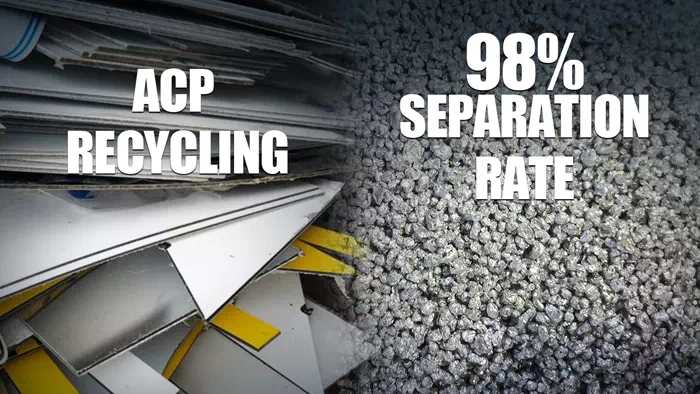
This multi-stage separation process effectively boosts both aluminium and plastic recovery rates while ensuring the purity of the final products. The separated aluminium powder can be reintroduced into the metal processing industry for recycling, while the plastic powder serves as raw material for recycled plastics.
Equipment Advantages and Application Value
Compared to traditional manual dismantling methods, the aluminium-plastic composite sheet recycling production line offers significant technical advantages. Firstly, it features high automation. The entire system operates continuously, automatically completing processes from crushing to sorting, substantially reducing manual involvement and boosting production efficiency.
Secondly, it achieves high recycling efficiency. Through a combined process of crushing, grinding, and multi-stage sorting, aluminium and plastic materials are thoroughly separated, enabling efficient resource utilisation. The resulting high-purity aluminium powder holds considerable market value and can be reintroduced into metal processing or smelting operations.
Furthermore, the equipment incorporates a comprehensive dust extraction system during operation, effectively controlling particulate pollution and improving the production environment. For enterprises engaged in the recycling of waste aluminium-plastic composite panels, such equipment not only enhances production efficiency but also facilitates a more environmentally responsible processing approach.
Recommend products
CONTACT US:
If you have any requirement or suggestion, please fill in the form and send to us, thanks!E-mail:[email protected] | Whatsapp:+8613674945231